Start 2026 the right way with our professional patio cleaning solution
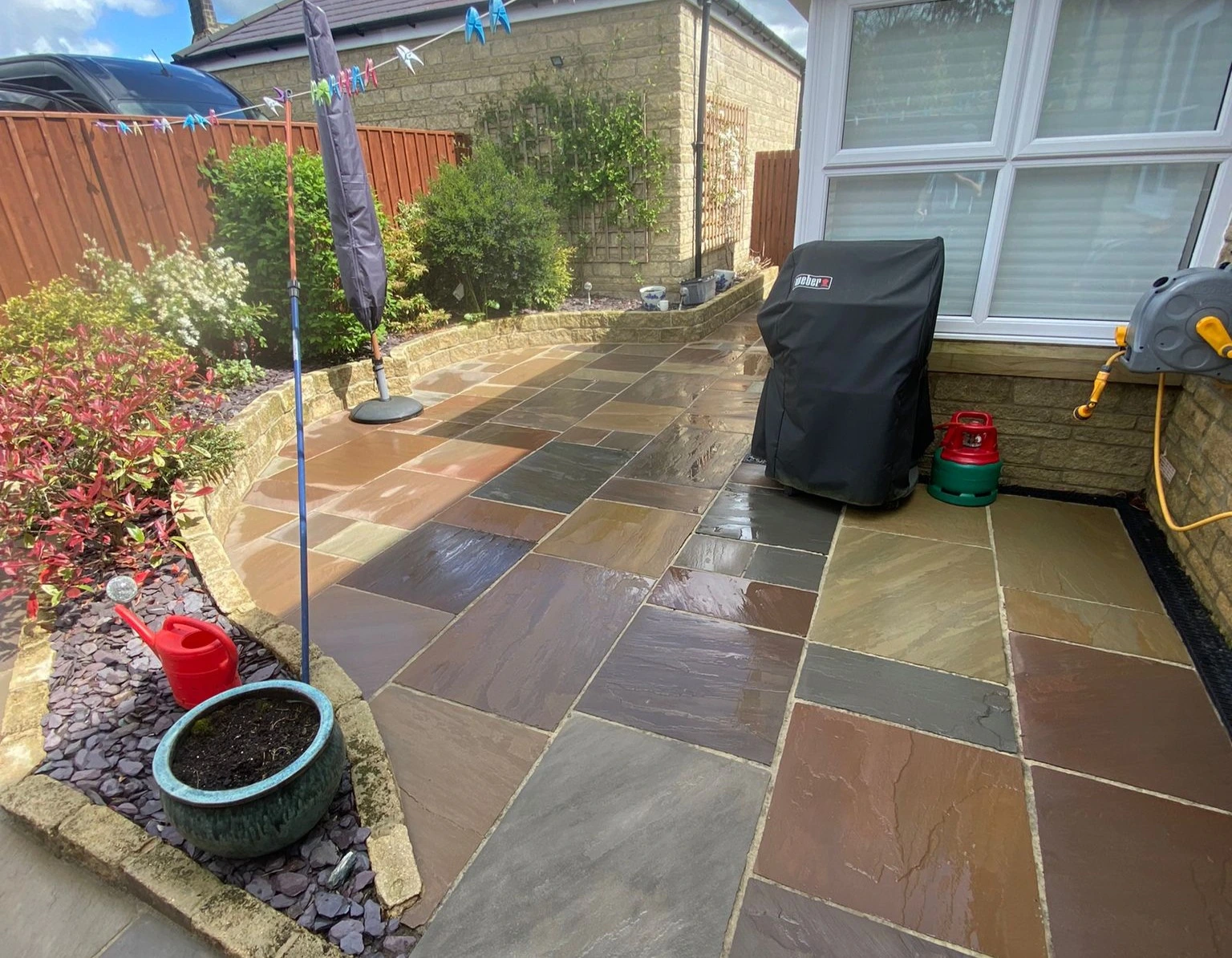 The early months of the year are a natural time for fresh starts, making them ideal for giving your outdoor spaces some attention. While patios may see less use during the colder months, they continue to be exposed to the harsh weather conditions, which can gradually affect their condition.
Taking a proactive approach with a professional patio cleaning solution before spring helps prepare your outdoor space for the months ahead and prevents minor issues from developing into more serious problems.
In this blog, we’ll look at the key factors that affect patio condition over time, explain the most effective cleaning methods, and highlight how repointing, sealing, and professional restoration can help protect your patio long term.
Common patio problems after years of use
Many patio issues develop gradually and are not always immediately noticeable. Over time, these problems can impact both appearance and usability, including:
Built-up grime and embedded dirt
Constant foot traffic and exposure to the elements cause dirt and debris to become ingrained in patio surfaces. High-use areas are particularly affected, often appearing dull and tired even when regularly maintained.
Algae and moss growth in damp areas
Shaded and moisture-prone areas provide ideal conditions for algae and moss to develop. These growths are common during wetter months and can spread quickly, leaving patios looking neglected while also retaining moisture against the surface.
Slippery surfaces and trip hazards
As grime and biological growth build up, patios can become slippery underfoot. This increases the risk of slips and falls, especially in wet or icy conditions, while uneven paving can create additional trip hazards.
Weather-related wear and joint erosion
Ongoing exposure to rain, frost, and temperature changes can result in surface fading, staining, and general wear. The joints between paving slabs are particularly vulnerable, with erosion gradually weakening the structure of the patio.
Loose or worn pointing and drainage issues
When pointing deteriorates, gaps form between slabs or blocks, allowing water to seep below the surface. This can disrupt drainage, encourage movement, and lead to uneven areas that affect both stability and appearance.
Together, these problems reduce kerb appeal and make outdoor spaces less inviting. More importantly, slippery surfaces and unstable paving can pose safety risks, highlighting the importance of addressing patio issues before they worsen. Understanding how these issues are treated is the next step in restoring a patio safely and effectively.
Patio cleaning options explained: pressure washing vs soft washing
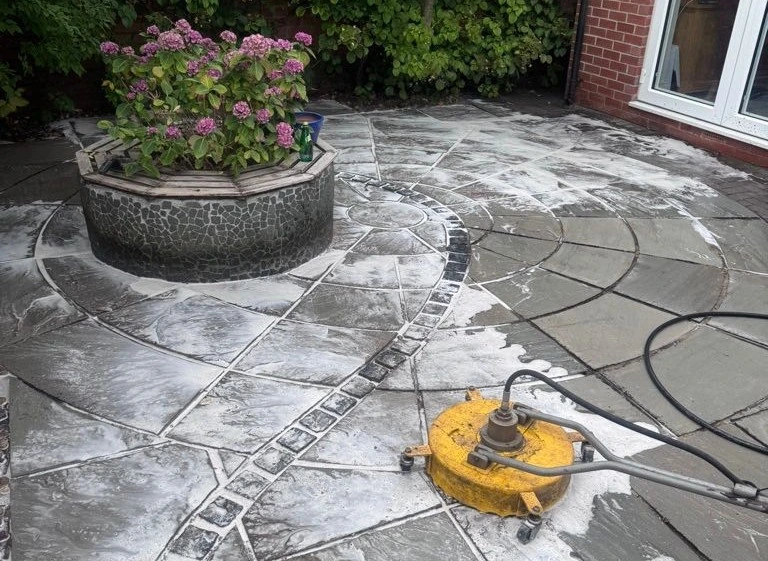
Not all patios require the same cleaning approach, and choosing the correct method is essential for achieving effective results without causing damage. The two main techniques used in professional patio cleaning are pressure washing and soft washing, each suited to different surface types and conditions.
Pressure washing
Pressure washing uses high-powered water to remove stubborn dirt, grime, and surface build-up. This method is particularly effective on durable, hard-wearing surfaces such as concrete slabs, block paving, and newer patios that can withstand higher water pressure.
When carried out correctly, pressure washing can quickly lift deep-set dirt and restore the appearance of heavily soiled areas. It is most suitable where speed and thorough surface cleaning are required, provided the paving and jointing are in good condition.
However, incorrect use or excessive pressure can loosen pointing and damage the surface, which is why professional control and experience are essential.
Soft washing
Soft washing uses significantly lower water pressure combined with specialist cleaning solutions to remove dirt, algae, moss, and organic growth. Rather than relying on force, the cleaning agents break down growth at its source, allowing it to be safely removed without stressing the surface.
This approach is ideal for more delicate materials such as natural stone, decorative slabs, older patios, and surfaces with worn or fragile joints.
Soft washing reduces the risk of surface pitting and joint erosion while still delivering a deep, long-lasting clean. In areas prone to moss and algae, it often delivers longer-lasting results by treating growth at its source rather than just removing what’s visible.
Using the wrong method can lead to surface damage or premature wear. A professional assessment ensures the most suitable approach is chosen, providing a tailored patio cleaning solution rather than a one-size-fits-all method. This not only protects the patio but also delivers cleaner, more durable results.
Repointing: what it is and why it matters
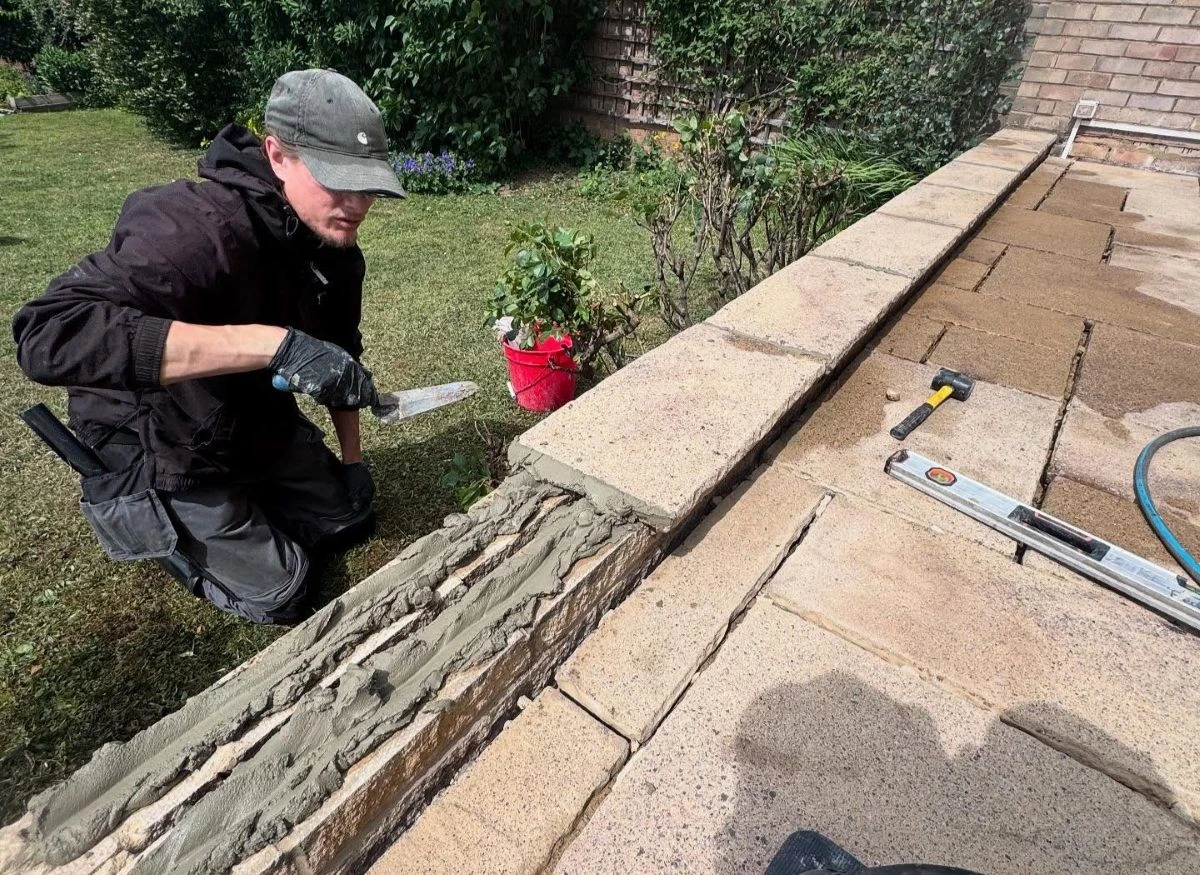
While cleaning improves the appearance of a patio, the condition of the joints plays an equally important role in its stability and longevity.
Patio repointing is the process of renewing the material between paving slabs or blocks. Over time, this jointing material can crack, crumble, or wash away due to weather exposure and regular use.
Repointing restores these joints, helping to secure each paving unit in place.
When pointing deteriorates, gaps begin to form between slabs. These gaps allow weeds to take root, water to seep below the surface, and paving to shift over time. Water ingress is particularly problematic, as it can undermine the base of the patio and contribute to uneven or loose areas.
Even the most thorough patio cleaning cannot resolve problems caused by damaged or missing pointing. In fact, cleaning without addressing weak joints can sometimes accelerate deterioration, as water can more easily penetrate beneath the surface. Repointing ensures that the patio remains stable after cleaning, rather than simply looking cleaner on the surface.
Fresh repointing instantly improves the overall appearance of a patio, creating clean, defined lines between slabs. Structurally, it reinforces the surface and reduces movement, helping the patio withstand future weather conditions and regular use.
Sealing and protection after cleaning
Once a patio has been thoroughly cleaned and any necessary repointing completed, sealing can provide an added layer of long-term protection.
Patio sealing involves applying a specialist protective treatment to the surface of the paving. This sealant penetrates the material or forms a protective barrier, helping to reduce moisture absorption while still allowing the surface to breathe.
A sealed patio is less likely to absorb spills and organic matter, which helps prevent staining. By limiting moisture retention, sealing also slows the return of moss and algae, keeping surfaces cleaner for longer between professional treatments.
With a sealed surface, routine maintenance becomes simpler. Dirt sits closer to the surface rather than embedding into the paving, making regular sweeping and light cleaning more effective and less time-consuming.
In the North East of England, frequent rainfall, cold temperatures, and periods of frost place additional strain on outdoor surfaces. Sealing helps protect patios from water ingress and freeze-thaw damage, reducing the risk of erosion, and premature wear.
By protecting both the paving and the joints, sealing helps preserve the results of cleaning and repointing. This added protection can significantly extend the lifespan of a patio, reducing the need for frequent repairs or intensive restoration work.
Sealing is often recommended for patios that have been professionally cleaned and are in good structural condition. However, it may not be suitable for all surfaces or newly laid patios that require time to settle.
The benefits of professional patio restoration
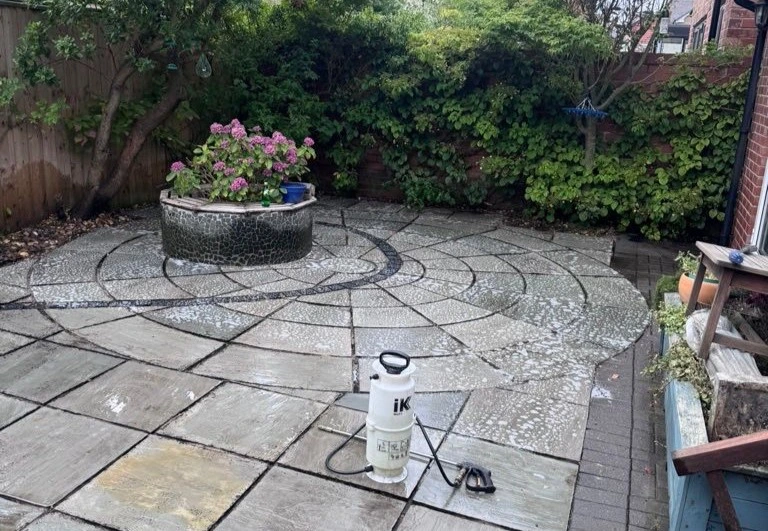
While DIY patio cleaning may seem like a cost-effective option, professional restoration offers clear advantages in terms of results and long-term value. Here’s how:
Saves time and avoids trial and error
Cleaning a patio properly can be time-consuming, particularly without the right tools or experience. Professional services eliminate the guesswork, delivering efficient results without the need for repeated attempts or ongoing maintenance issues.
Access to commercial-grade equipment and products
Professional patio restoration uses specialist equipment and industry-approved cleaning solutions that are far more effective than domestic alternatives. These tools allow for a deeper, more consistent clean while being carefully matched to the surface type.
Reduced risk of damage and uneven finishes
Using incorrect pressure or unsuitable cleaning products can lead to loosened pointing or patchy results. A professional approach ensures the correct method is applied, reducing the risk of accidental damage and achieving an even finish across the entire patio.
Improved safety through correct cleaning and repairs
Thorough cleaning, combined with necessary repairs such as repointing, helps remove slip hazards and stabilise paving. This creates a safer outdoor space for everyday use, particularly during wet or colder conditions.
Long-term value rather than short-term fixes
Professional restoration focuses on protecting the patio for the future, not just improving its appearance temporarily. By addressing underlying issues and applying the correct treatments, homeowners benefit from longer-lasting results and reduced repair costs over time.
Simple maintenance tips between professional treatments
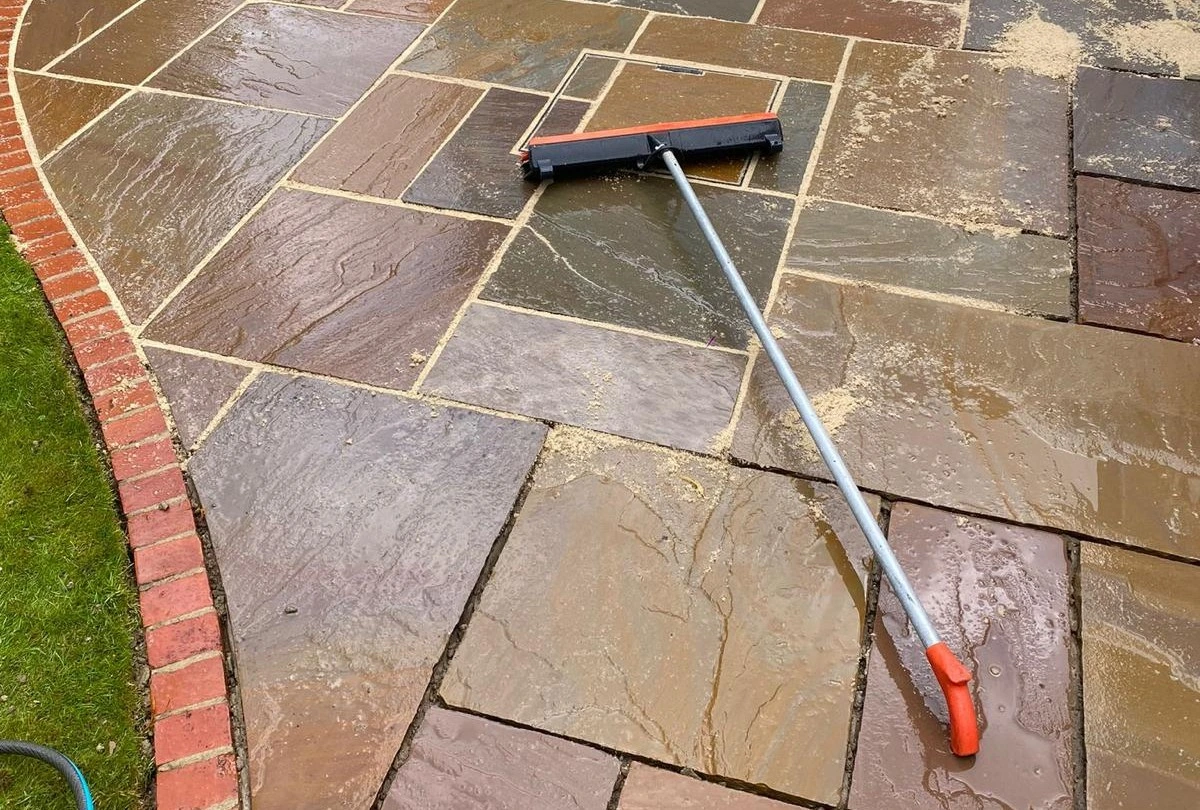
Regular care between professional treatments helps keep your patio looking its best. Here are our top maintenance tips:
Sweep regularly to prevent debris build-up
Frequent sweeping helps remove soul and organic matter before they become embedded in the surface. This is especially important during autumn and winter, when debris can trap moisture and encourage moss growth.
Rinse surfaces during drier months
Occasional rinsing with clean water during spring and summer helps wash away surface dust and pollen. This light maintenance can slow the build-up of grime without placing unnecessary stress on the paving.
Manage surrounding plants and drainage
Overhanging plants and nearby borders can contribute to shade and excess moisture. Trimming back vegetation and ensuring drainage routes remain clear allows patios to dry more quickly after rainfall, discouraging algae and moss.
Tackle moss and algae early
Addressing small patches of moss or algae as soon as they appear prevents them from spreading. Gentle removal or specialist treatments can be effective when used early, reducing the need for more intensive cleaning later.
Avoid harsh chemicals and incorrect equipment
Strong chemicals and domestic pressure washers used incorrectly can damage patio surfaces and jointing. Sticking to gentle maintenance methods helps protect the paving and preserves the results of professional treatments.
How Paul Dyson Commercial Cleaning can help
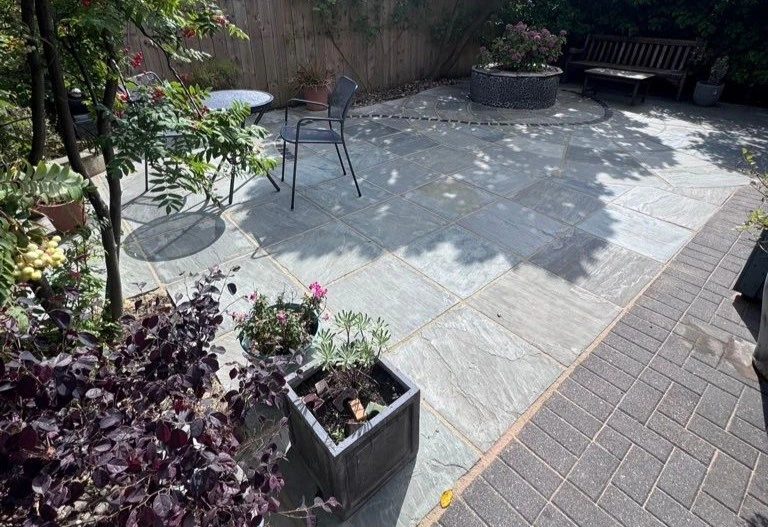
At Paul Dyson, we provide professional patio cleaning and restoration services tailored to the condition and surface type of your outdoor space.
Our experienced team carries out a thorough assessment to determine the most effective cleaning method, whether that involves pressure washing, soft washing, repointing, or protective sealing.
Using commercial-grade equipment and specialist products, we deliver safe, consistent results while reducing the risk of surface damage or premature wear. From improving appearance and safety to extending the lifespan of your patio, our approach focuses on long-term protection rather than short-term fixes.
For reliable results and complete peace of mind, contact us today to arrange a professional assessment and discover how our expert patio cleaning, repointing, and protection services can revitalise your outdoor space.
Share this article: