The ultimate guide to sofa cleaning in 2026
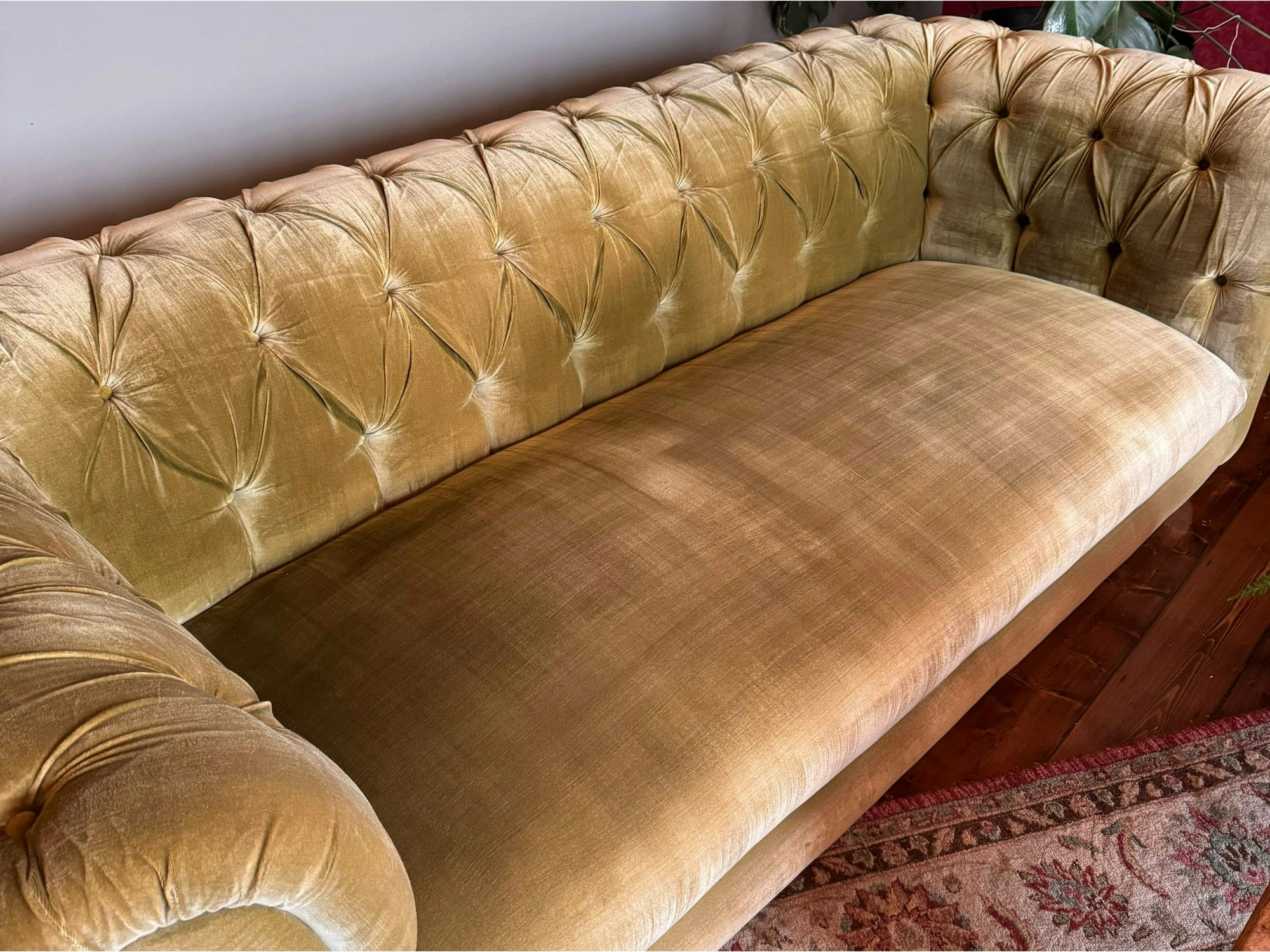
For a lot of us, the sofa is the hardest-working piece of furniture in the house. It’s where we unwind after work, get the family together for film nights, welcome guests, and occasionally enjoy a lazy dinner in front of the TV.
It’s no surprise, then, that research suggests the average Brit spends approximately 97.5 minutes a day sitting on their sofa. Over the course of a year, that’s over 590 hours of use. With that much daily wear, it’s easy to see why even the highest-quality upholstery can begin to lose its freshness.
Regular sofa cleaning is one of the easiest ways to improve hygiene and help your furniture stay comfortable for years to come. While there are plenty of things you can do yourself to look after your upholstery, there comes a point where a professional deep clean offers benefits that household products simply can’t match.
So, here’s everything you need to know about keeping your sofa in great condition throughout 2026 and beyond.
Why sofa cleaning matters more than you think
It’s easy to judge a sofa by how it looks. If there aren’t any obvious stains, many homeowners assume it’s perfectly clean. However, upholstery collects far more than the eye can see.
Every day, tiny particles settle into the fabric. Dust, skin cells, pollen, pet hair, and pet dander gradually work their way deep into the fibres. Even if you vacuum regularly, a lot of this debris sits below the surface where domestic vacuums struggle to reach.
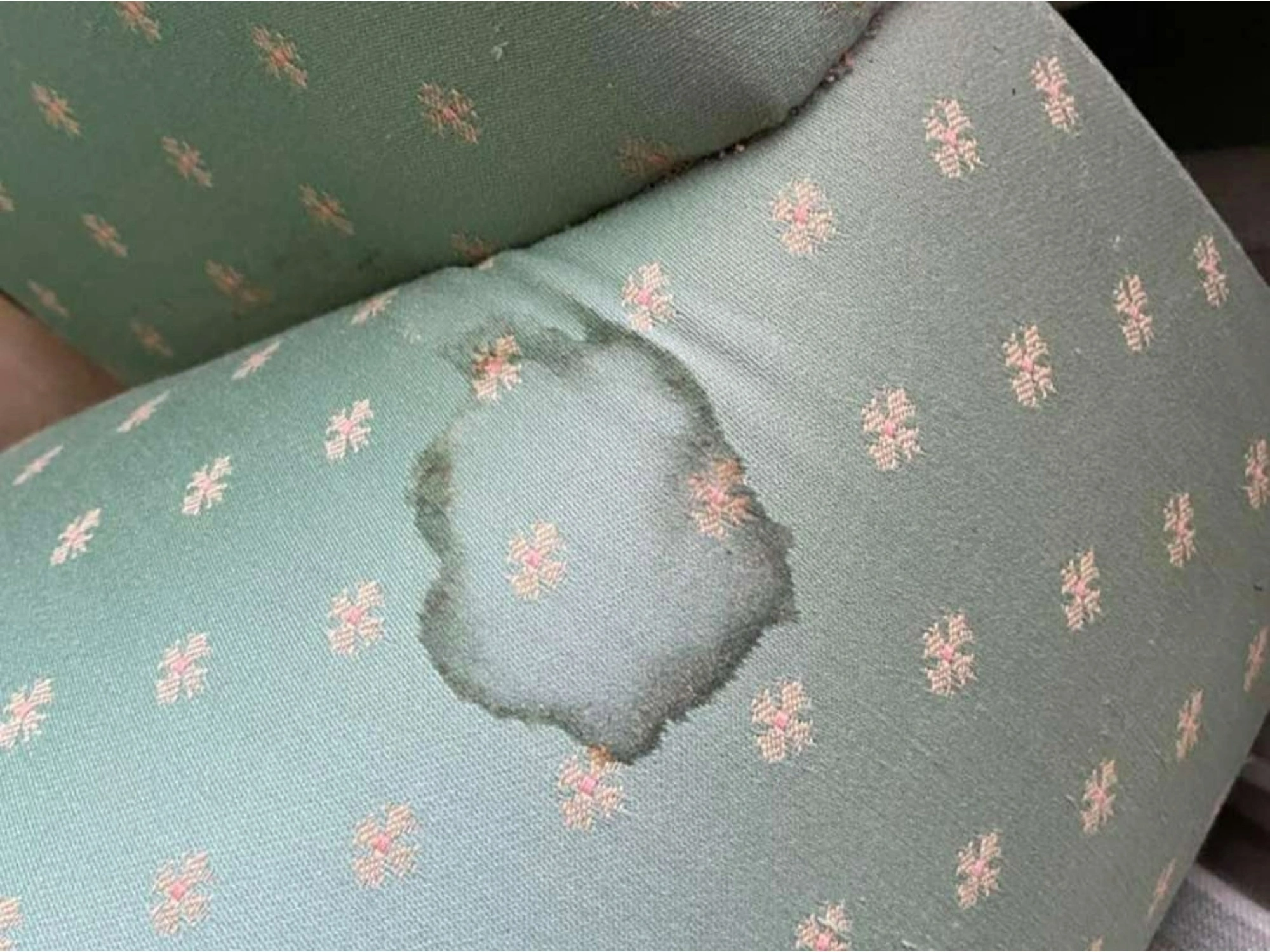
Then there are the little accidents that come with everyday life. Coffee spills, muddy paws, children’s snacks, and the odd glass of red wine all leave their mark. Even when stains disappear, odours can linger beneath the fabric.
None of this means your sofa is past the point of saving. It simply highlights why routine maintenance makes such a massive difference. Keeping on top of sofa cleaning helps reduce allergens around the home, freshens up upholstery, and prevents everyday dirt from becoming deeply embedded over time.
Making the most of your weekly vacuum
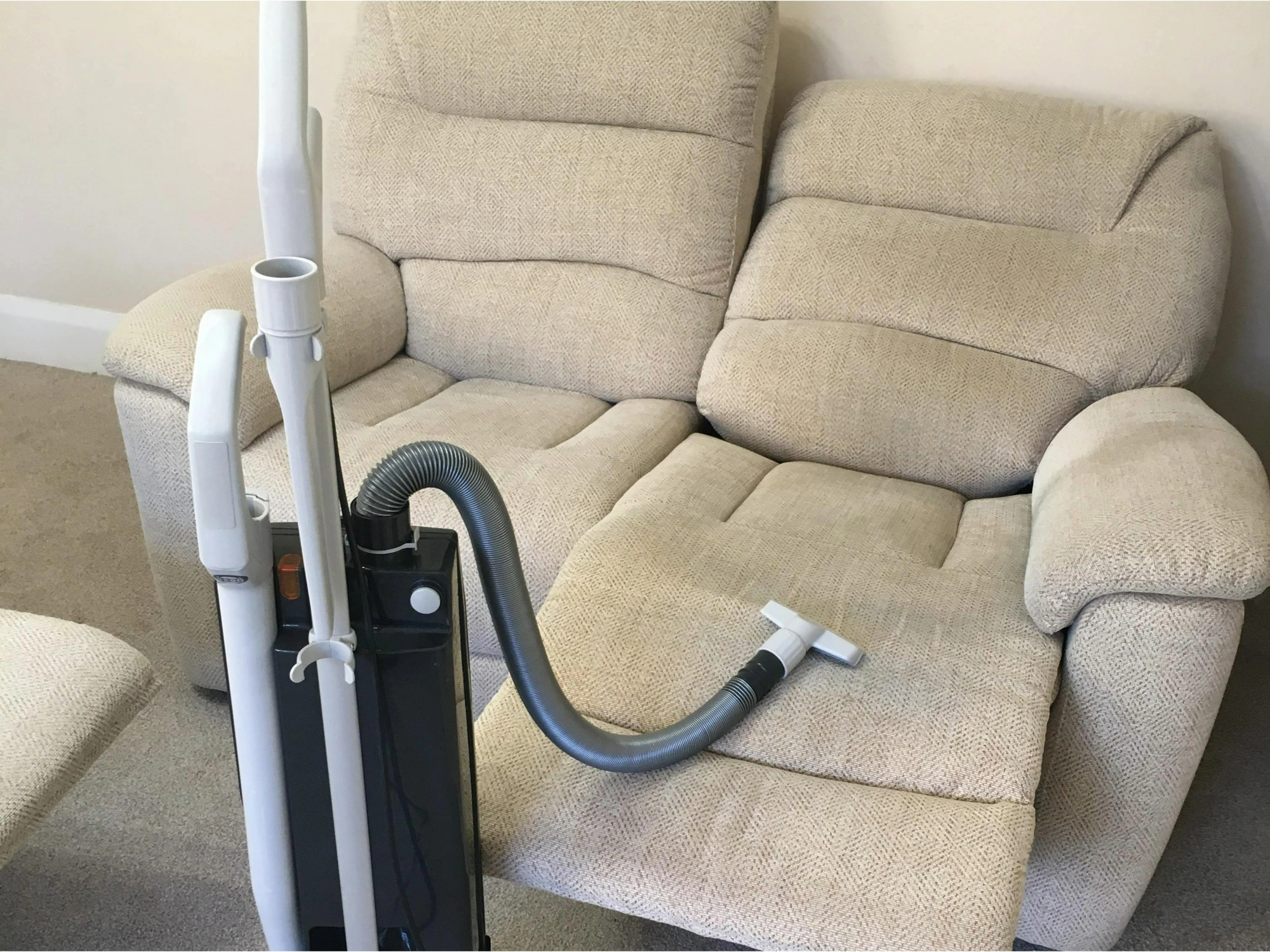
One of the easiest ways to keep upholstery looking its best takes just a few extra minutes each week. Instead of running the vacuum quickly over the seat cushions, take advantage of the upholstery attachment that (hopefully) came with your machine. It’s designed to lift dust and debris from fabric without causing unnecessary wear.
Pay close attention to the creases where cushions meet the arms and back of the sofa. These hidden areas often collect crumbs, pet hair, and dust long before they’re visible. If your cushions are removable, lift them out completely. Vacuum underneath, along the edges, and around the frame before replacing them.
Rotating and plumping cushions at the same time also helps distribute wear more evenly. You’ll often find that the seat you use every evening compresses much faster than the rest of the sofa. Swapping cushions around every few weeks helps them keep their shape for longer.
If you’ve got a furry friend in your house, a rubber upholstery brush or specialist pet hair attachment can make a noticeable difference, especially on woven fabrics where hair tends to cling stubbornly. These small habits won’t replace professional upholstery cleaning, but they will help your sofa stay fresher between visits.
Can you clean your sofa yourself?
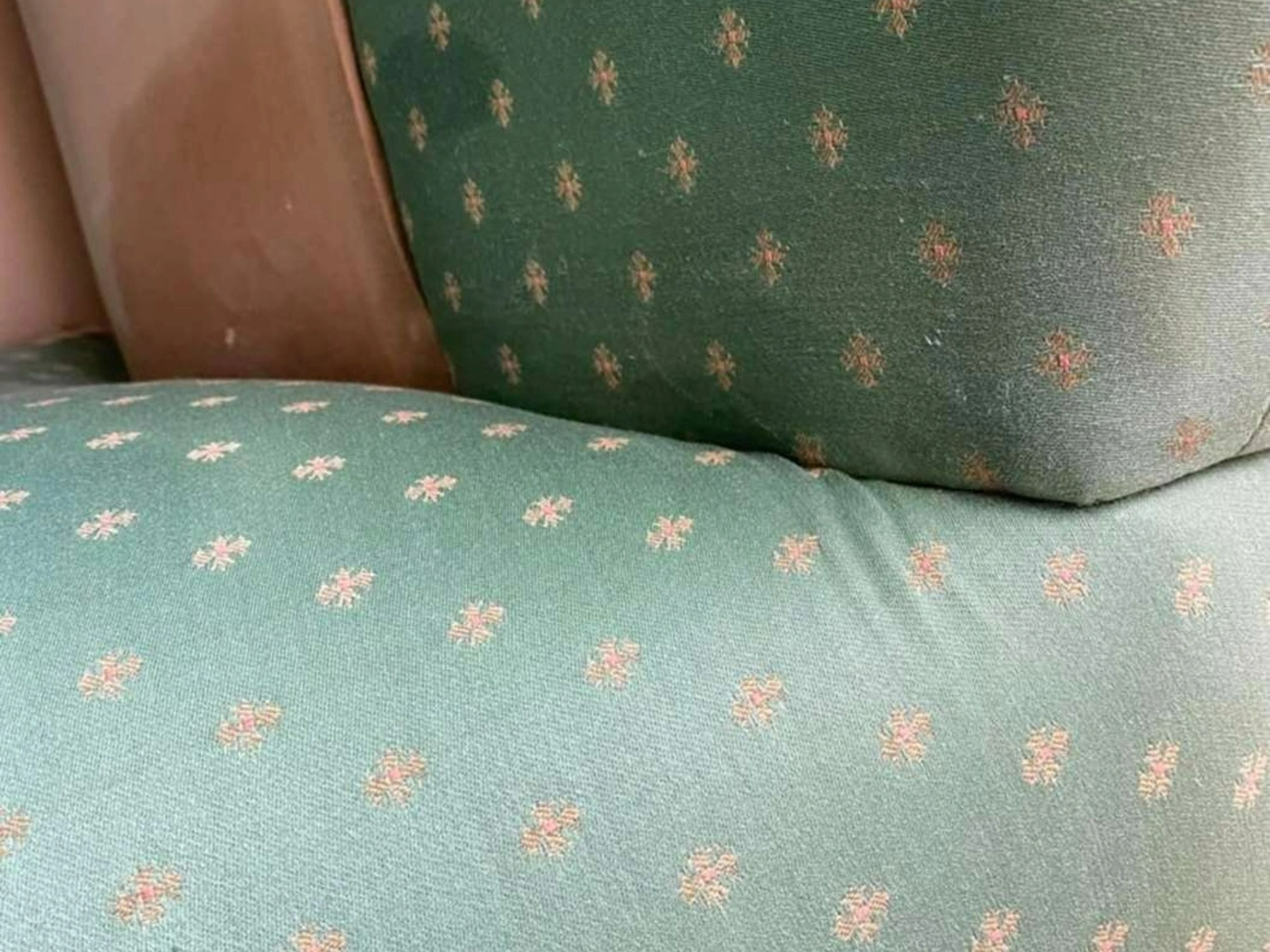
The answer to this question depends entirely on the fabric. Before reaching for an upholstery cleaner or stain remover, it’s worth checking the manufacturer’s care label. Those single-letter codes stitched beneath the cushions often go unnoticed, but they’re one of the most important things to understand before attempting any DIY cleaning.
W
A ‘W’ means the fabric can usually be cleaned using water-based upholstery cleaning products. These are among the easiest sofas to maintain at home, although it’s still wise to test any product on an inconspicuous area first.
S
An ‘S’ indicates solvent-based cleaning only. Water can leave permanent marks or damage these fabrics, so specialist dry-cleaning solvents are recommended instead. If you’re unsure, it’s often safer to leave these to a professional upholstery cleaner.
W/S
Sometimes you’ll see both letters together. This means either water-based or solvent-based cleaning products may be suitable, giving you a little bit more flexibility when treating marks.
X
This is the code that trips up a fair few homeowners. An ‘X’ means the fabric should only be vacuumed or professionally cleaned. Applying water or cleaning products yourself can damage the upholstery or leave permanent staining.
Understanding these labels before you begin can save a great deal of frustration.
How to extend your sofa’s lifespan
Looking after a sofa isn’t exactly rocket science, but we do know a few simple habits can make a noticeable difference over the years.
Direct sunlight is one of the biggest causes of fading, especially on darker fabrics and natural fibres. If your sofa sits beside large windows or patio doors, closing the blinds or curtains during the brightest part of the day or occasionally repositioning the furniture can help reduce patchy fading.
It’s also worth thinking about where the pressure is being placed. We all have a favourite spot, but sitting in exactly the same place every day causes cushions to compress more quickly. Rotating loose cushions and changing where you sit from time to time helps spread the wear more evenly.
If you have pets, keeping claws neatly trimmed can reduce snagging, while throws can offer a little extra protection in areas that see the most use. They’re particularly useful if dogs have claimed one end of the sofa as their own.
And finally, don’t ignore the small marks in the hope they’ll disappear on their own. Fresh stains are almost always easier to deal with than ones that have been left for weeks or months.
Knowing how to clean upholstery correctly, alongside regular maintenance, can add years to the life of your furniture and help it retain its appearance for much longer.
Some fabrics are best left to the professionals
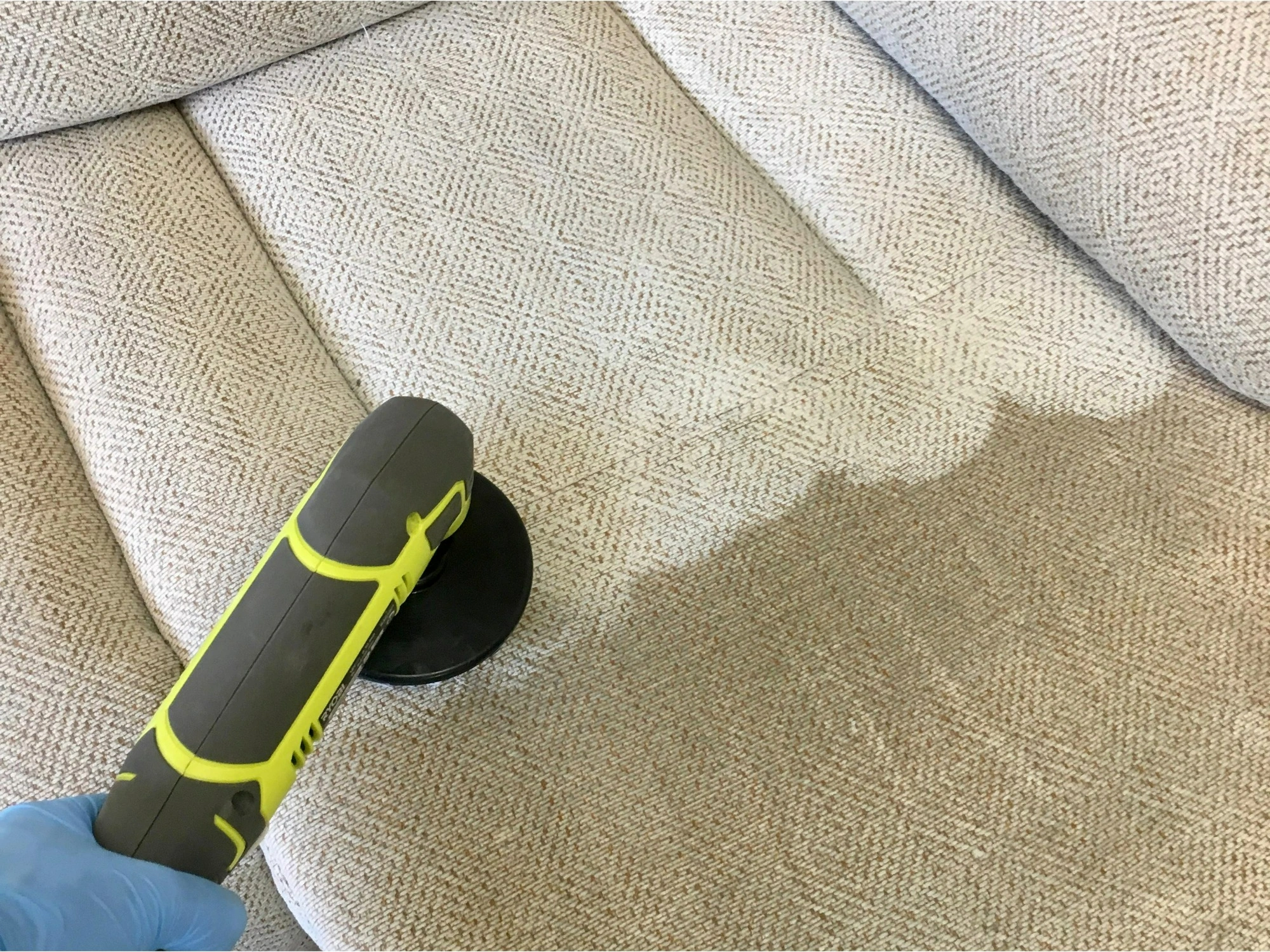
Not every sofa responds well to DIY cleaning. Modern synthetic fabrics are often quite forgiving, but natural materials and luxury upholstery require a much gentler approach. Using the wrong cleaning product or too much moisture can leave permanent marks that are far more noticeable than the original stain.
Here’s a quick guide to the different fabrics and how each needs to be treated:
Velvet
Its distinctive pile can easily become crushed or marked if scrubbed too aggressively, while excess moisture can leave patchy shading across the fabric.
Silk
Silk upholstery presents similar challenges. Although beautifully soft, it’s highly sensitive to water and many household cleaning products, making professional treatment the safest option.
Linen
These blends can also be unpredictable. They often absorb moisture quickly, increasing the risk of water marks if cleaned incorrectly.
Wool
Delicate wool upholstery deserves the same level of care. Wool fibres naturally hold onto dirt, but they’re also susceptible to shrinkage and distortion if unsuitable products or excessive heat are used.
When we’re working with these materials, we first identify the fibre composition before selecting the most appropriate cleaning method. Different fabrics respond differently, so taking the time to understand what we’re working with is an important part of achieving the best possible result.
As Harry Dyson, Technician, puts it:
“One of the biggest mistakes we see is people assuming every sofa can be cleaned in the same way. Different fabrics need different treatments, and using the wrong product can sometimes do more harm than the original stain. We’d always rather someone asked us for advice first than tried something that couldn’t be reversed.”
Give your sofa the care it deserves
A sofa is one of the biggest investments most of us make for our homes, yet it’s often one of the most overlooked when it comes to regular maintenance.
A weekly vacuum, prompt attention to spills, and understanding your fabric’s care label all go a long way towards keeping upholstery looking its best. When deeper cleaning is needed, professional treatment can remove years of built-up dirt and breathe new life into furniture that may have started to look tired.
We’ve spent more than 30 years helping homeowners across the North East restore and protect their upholstery. Whether your sofa needs a routine refresh, stain removal, or a full deep clean, our experienced team can recommend the right approach for your fabric.
If your furniture has lost its freshness or just deserves a little extra care, we’d be delighted to help bring it back to life. For a free, no-obligation quote, call us on 0191 266 6111, send an email to paul@pauldyson.co.uk, or fill in our contact form.
Share this article: