
How to clean a mattress: top tips from our team
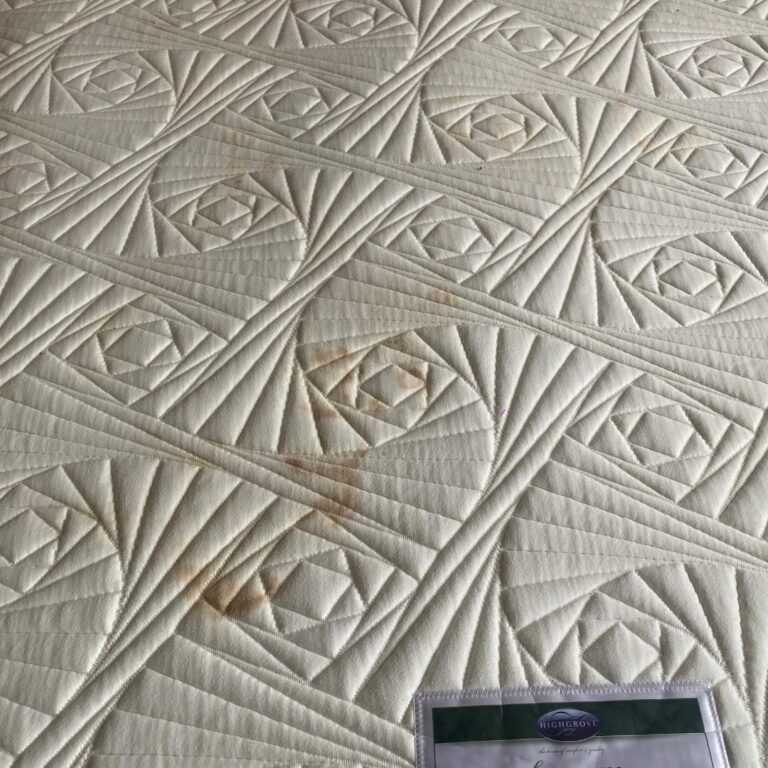
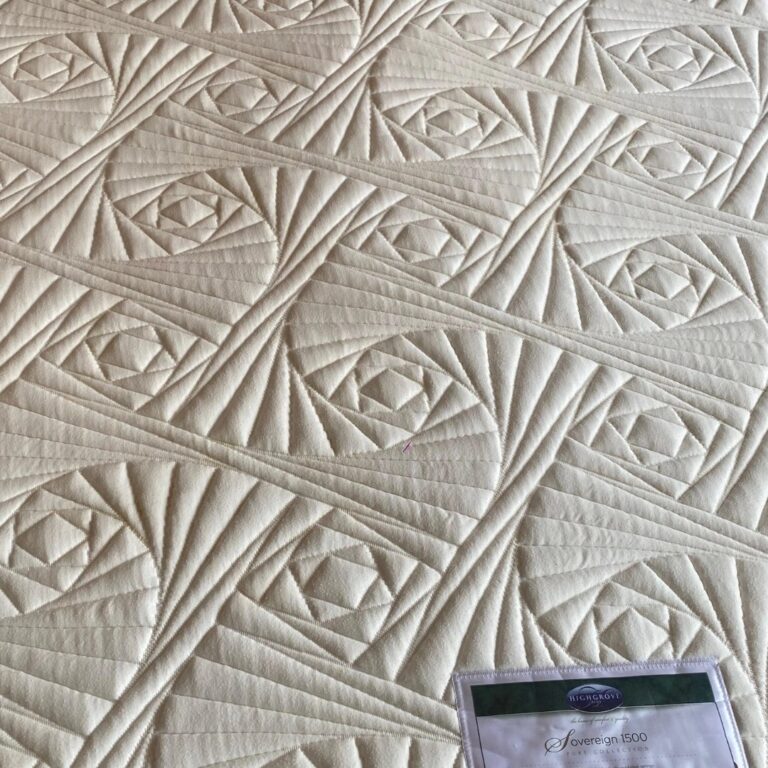
Most of us spend around a third of our lives in bed, yet the mattress itself rarely gets the attention it deserves. Fresh sheets go on every week, pillows get fluffed, and the bedroom is vacuumed, but the mattress underneath is often forgotten until there’s a stain or an unpleasant smell.
Over time, mattresses collect perspiration, dust, dead skin cells, pet hair, and plenty more. A lot of this build-up sits beneath the surface, so a mattress can look clean while still needing attention.
Keeping your mattress in good condition is important, but cleaning it isn’t as straightforward as you might think. Different materials respond differently to moisture and cleaning products, and the wrong treatment can cause lasting damage.
That’s why, while there are a few simple steps you can take at home, calling a trained professional is often the best way to give your mattress a proper clean.
We’ve spent more than 30 years helping homeowners and tenants across the North East care for their furnishings. So, here’s how to clean a mattress, and when it’s best to leave the job to a professional.
Why mattress cleaning matters for homeowners
Your mattress works hard every night. It absorbs perspiration and traps particles that settle into the fabric and filling. Add kids, pets, and the odd breakfast in bed, and it’s easy to see why mattresses gradually lose their freshness.
Unlike a hard floor or kitchen worktop, a mattress can’t simply be wiped clean. Its construction can include several layers of fabric, padding, foam, springs, and other fillings. Dirt and moisture may travel beyond the surface, which makes it difficult to tackle the problem with ordinary household cleaning methods.
Over time, this build-up can contribute to unpleasant odours and create an environment where dust mites thrive. Dust mite allergens can be a concern for people with allergies or asthma, although cleaning a mattress cannot guarantee that all allergens will be removed.
Regular maintenance helps keep surface dirt under control, but it has its limits. A professional clean can address deeper soiling using equipment and methods selected for the mattress’s materials and condition.
It’s also worth considering the value of your mattress. Replacing one can be expensive, so looking after it properly can help preserve how it looks and feels for much longer.
Why tenants shouldn’t overlook mattress cleaning
If you’re renting a furnished property, mattress care deserves a place on your end of tenancy checklist. Landlords and letting agents might inspect mattresses and other upholstered furnishings alongside carpets, kitchens, and bathrooms.
Visible stains or signs of neglect can raise questions during an inspection. Although professional cleaning cannot guarantee the return of a deposit, taking reasonable care of the mattress can help you leave the property in better condition.
If you’ve spilt something on the mattress or noticed a persistent odour, avoid experimenting with household cleaning products just before moving out. The wrong treatment could leave a mark, damage the fabric, or introduce moisture that takes too long to dry.
Instead, check the manufacturer’s care instructions and consider professional advice, especially if the mattress has natural fibres or fillings. Arranging a clean in good time also gives you the opportunity to discuss what’s possible before your final inspection.
What can you do to look after your mattress at home?
Professional cleaning is the best option when your mattress needs a deeper treatment, but a few simple habits can help keep it in better condition between appointments. Here’s how to clean a mattress at home and keep it as fresh as possible.
1. Vacuum your mattress regularly
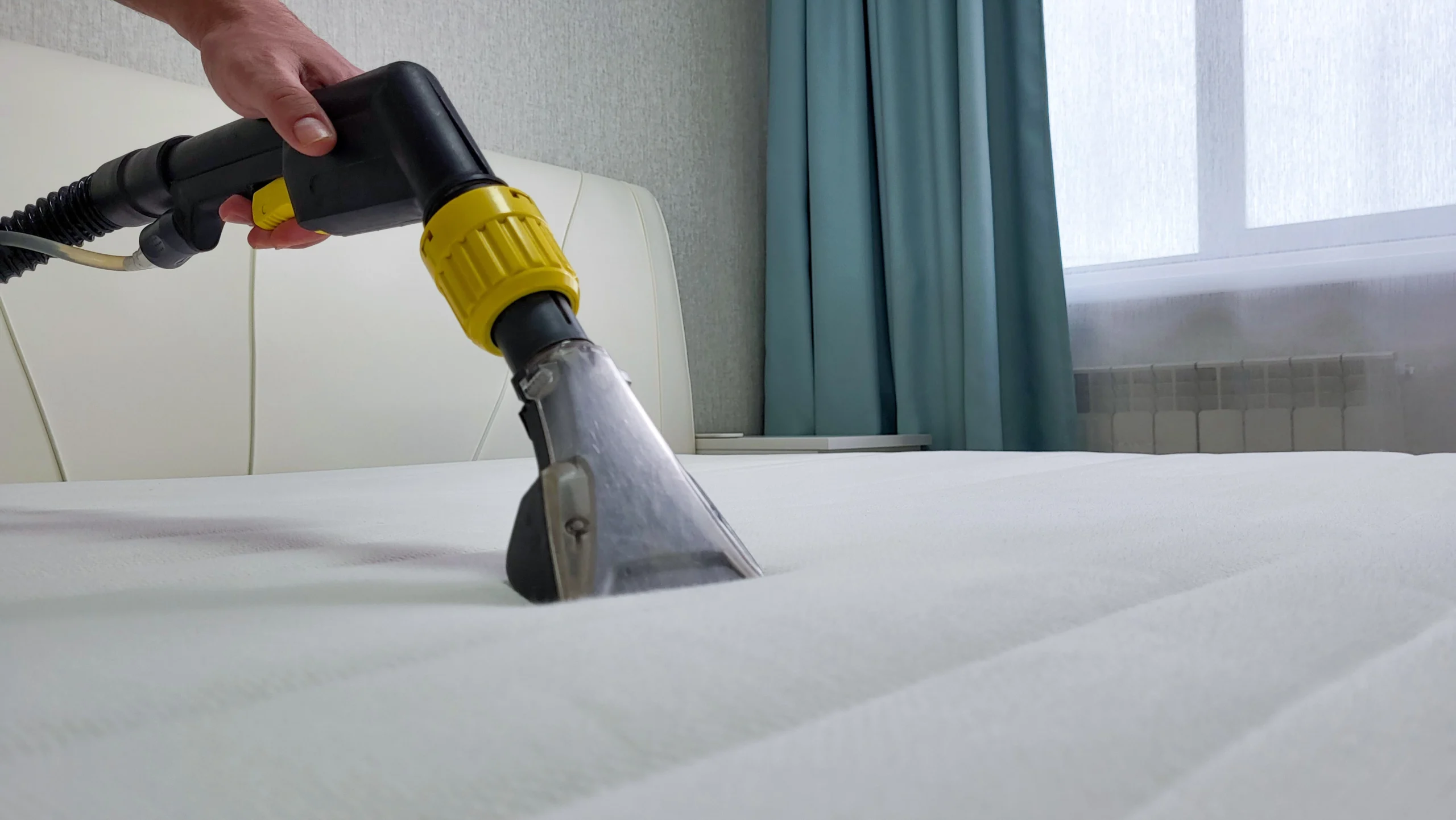
Vacuuming is one of the simplest ways to remove loose dust, skin cells and pet hair from the surface of a mattress. Use a clean upholstery attachment and work gently across the fabric, paying attention to seams and edges where debris can collect.
Check the manufacturer’s care instructions first, especially if your mattress has a delicate cover or specialist finish. Avoid pressing too hard or using an attachment that could snag the fabric.
Regular vacuuming won’t remove every allergen or deal with deep-seated dirt, but it can help reduce surface build-up. It’s also a useful opportunity to check for signs of staining or damage that may need further attention.
2. Use a mattress protector
Prevention is often easier than trying to remove a stain later. A good mattress protector provides a barrier against everyday perspiration, loose dirt, and some accidental spills. Unlike the mattress itself, a lot of protectors can also be removed and machine-washed, which makes them easier to keep clean.
Always follow the care instructions for the protector and make sure it’s completely dry before putting it back on the bed. A protector won’t make your mattress immune to spills or dirt, but it can reduce how much reaches the fabric and filling. It’s a worthwhile addition, especially in family homes, guest bedrooms, and homes with pets.
3. Follow the manufacturer’s care instructions
Mattresses aren’t all made the same way. Some contain synthetic fabrics and foams, while others use natural fibres or more delicate materials. Memory foam and other moisture-sensitive constructions can also be difficult to dry if they become wet.
Before trying any cleaning beyond routine vacuuming, check the manufacturer’s guidance. Don’t assume a product or method that’s worked on one mattress will be suitable for another.
If you’re unsure what your mattress is made from, or the care label doesn’t give clear instructions, seek advice before applying a cleaning solution. This is even more important for natural materials, which might require specialist treatment.
4. Blot spills rather than rubbing them
Accidents happen, whether it’s a knocked-over drink or a spill caused by a child or pet. If something lands on your mattress, use a clean, dry, absorbent cloth to gently blot the affected area and lift away as much liquid as possible.
Avoid rubbing the stain, as this can spread it or work it further into the fabric. Don’t pour water onto the mattress or reach for a household stain remover before identifying the material and checking the care instructions.
Once you’ve absorbed the excess liquid, contact a professional for advice if the mark remains, the spill has soaked in, or you’re unsure how to proceed. Acting promptly can help, but applying the wrong treatment may make the problem harder to resolve.
That’s often a sign the contamination has penetrated much deeper than household cleaning can reach, and professional treatment may be the best next step.
Why you should avoid DIY mattress cleaning products
Search online for ‘how to clean a mattress’ and you’ll find plenty of suggestions involving bicarbonate of soda, white vinegar, washing-up liquid, and other household products. However, a method that’s widely recommended isn’t necessarily suitable for your mattress.
The material must be identified before you decide how to clean it. Different fabrics and fillings can react differently to moisture and cleaning agents. Some products might affect the colour or finish, leave residues behind, or create drying problems.
For example, a mild detergent might be the right call for some synthetic mattress fabrics, provided the manufacturer’s instructions allow it. Natural materials can require a different approach, so professional advice is the better option. You should never assume that a solution is safe just because it’s diluted or applied with a cloth.
Moisture is another concern. If liquid travels into the inner layers, it can stay trapped long after the surface feels dry. This can lead to persistent dampness and potential mould growth. Trying several different treatments can make matters worse, too. Products can interact with each other or leave residues that complicate later cleaning.
If your mattress has a stubborn stain or an unpleasant odour, resist the temptation to keep experimenting. A professional can assess the material and the problem before recommending a suitable course of action.
Why professional cleaning makes the difference
One of the biggest advantages of using a trained technician is that the cleaning process can be tailored to the mattress. Rather than applying the same method to every job, a professional can consider the construction, fabric, condition, and type of soiling before deciding how to proceed.
This assessment helps us choose an appropriate approach for the mattress in front of us. Different materials need different levels of care, and some might be unsuitable for certain cleaning methods.
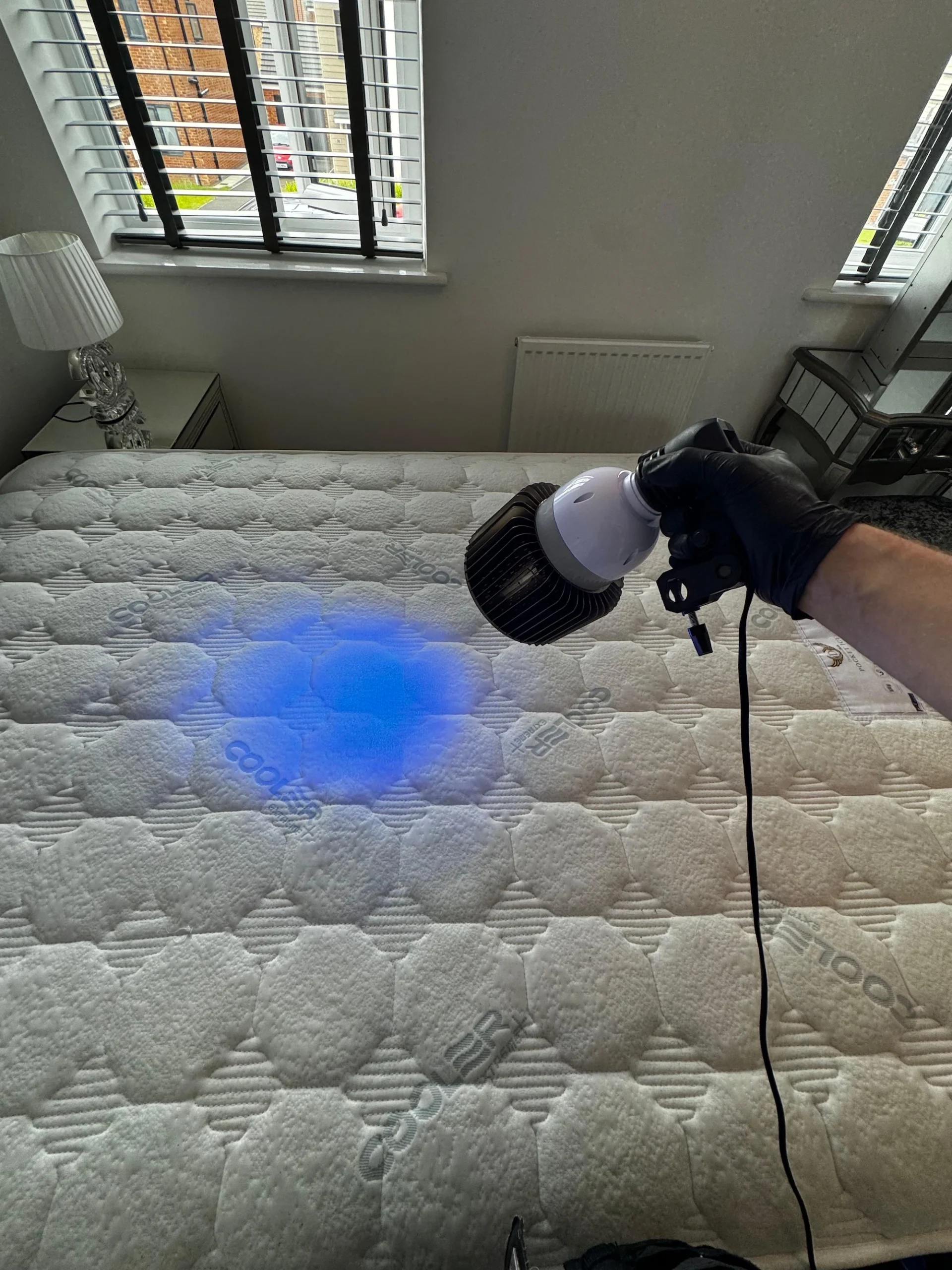
Professional equipment can help remove accumulated dirt and tackle certain stains and odours much more effectively than routine home maintenance. The process is selected to suit the mattress, with care taken to manage moisture and avoid unnecessary damage.
Results will depend on the material, the age and severity of the stain, and whether the mattress has been treated with other products. Not every stain can be removed, and some odours might have penetrated too deeply for complete removal. A professional assessment helps set realistic expectations before cleaning begins.
As Technician Harry Dyson explains:
“A lot of people think that if a mattress looks clean, then it must be. We regularly deep clean mattresses that look spotless on the surface, but the amount of dust, allergens, and general build-up we remove often surprises homeowners. A professional clean is all about creating a fresher, healthier place to sleep.”
Professional cleaning can be especially useful if your mattress hasn’t been cleaned for a long time, has accumulated everyday grime, or needs attention before you move out of a furnished property. It’s also worth considering if a spill has left a stubborn mark and you’re worried about causing damage by trying to remove it yourself.
When should you book a professional mattress clean?
There isn’t one cleaning schedule that suits every household. How often your mattress needs attention depends on its materials and whether it has been exposed to spills, pets, or other sources of soiling. You might want to arrange a professional clean if:
- Your mattress has visible marks that haven’t budged, even with the right care
- There’s a persistent odour you can’t identify or resolve
- You’ve had a spill and are unsure how to treat the material safely
- Your mattress has natural fibres or fillings that need specialist attention
- You’re preparing a furnished rental property for an end of tenancy inspection
- You want to freshen up a mattress that’s been in regular use for several years
You don’t have to wait until a mattress looks dirty to consider professional cleaning. Equally, cleaning isn’t always the answer to every problem. Significant damage or suspected mould might need further assessment, and some mattresses might be beyond effective restoration. If you’re unsure whether your mattress would benefit from cleaning, speaking to a trained technician is a sensible first step.
A cleaner mattress starts with the right care
Looking after your mattress doesn’t need to be complicated. Regular vacuuming, using a suitable mattress protector, following the manufacturer’s care instructions, and dealing carefully with spills can all help maintain its condition between professional cleans.
However, there’s a difference between routine maintenance and deep cleaning. Mattress materials can be delicate, moisture can become trapped beneath the surface, and household products aren’t always suitable. Applying the wrong treatment could turn a little stain into a much bigger problem.
That’s why professional advice is so important, especially when you’re dealing with natural materials or stubborn marks. A trained cleaner can assess your mattress and select a method suited to its construction.
We help homeowners and tenants across Newcastle and the wider North East care for their mattresses and upholstered furnishings. With more than 30 years of experience, we understand the importance of treating different materials with the right level of care.
All you need to do is give us a call on 0191 266 6111, send an email to paul@pauldyson.co.uk or fill in our contact form and we’ll get back to you as soon as possible with a quote.
Share this article: