Cleaning carpets after water damage: why DIY methods don’t always work
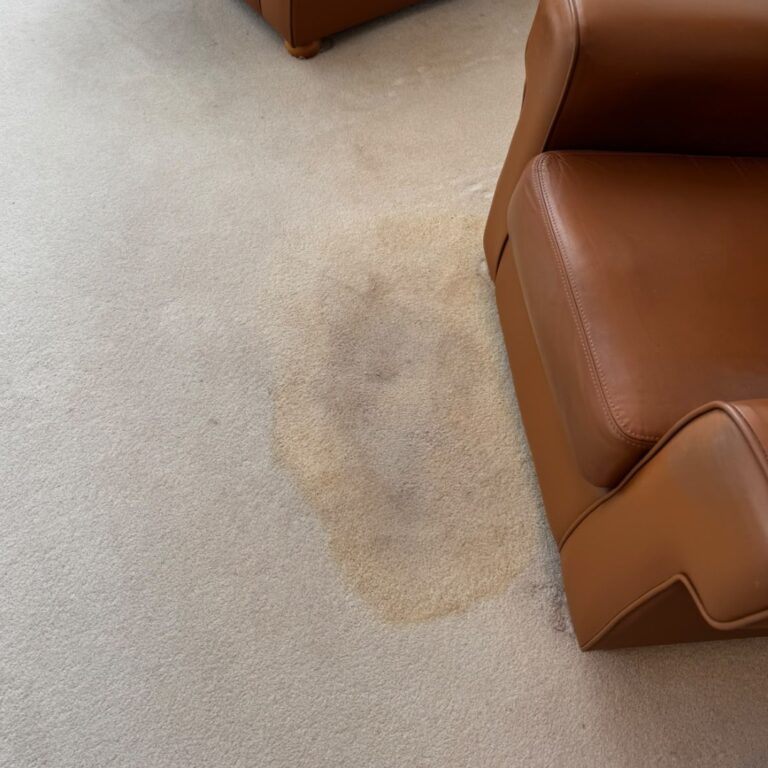
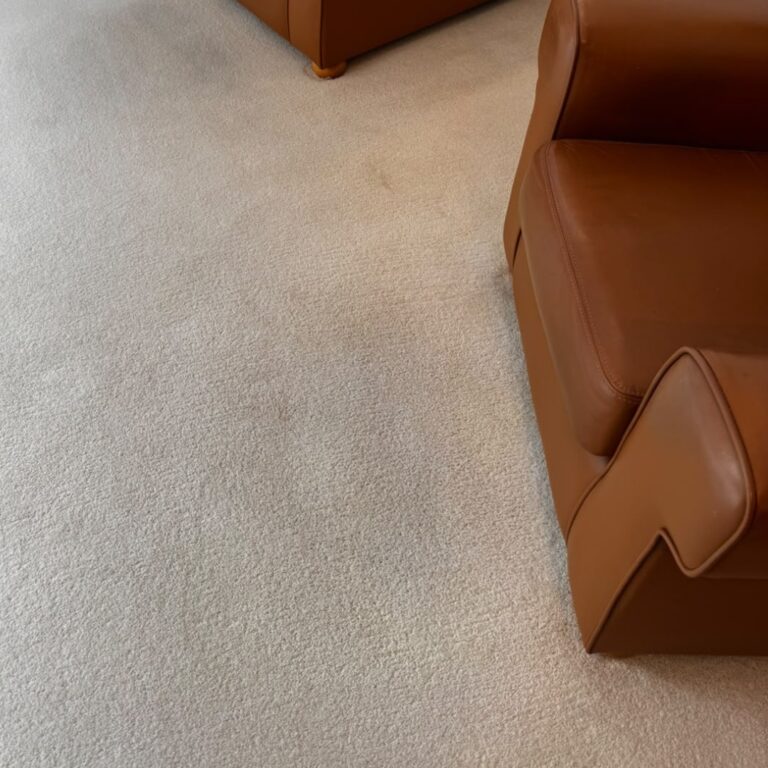
As the British weather turns after a very dry summer, the North East begins to prepare for a wet and cold end to year weather once again. While a few muddy footprints are easy enough to clean up, standing dirty water from puddles and soggy pets soaking straight into your carpet is a whole different challenge.
Left to seep further into your flooring, autumn and winter moisture can quickly damage carpets beyond repair and harbour hazardous bacteria in between each fibre. The alternative? Calling out a professional to promptly deal with the contaminated area and avoid a plethora of problems from occurring.
Read below for a thorough guide on what happens when dirty water gets into your carpets, why DIY methods aren’t as reliable as you might think, and how we handle cleaning carpets damaged by water.
The effects of quick sinking dirty water
As the colder months are set to begin, the sudden rise in rain, melted snow, and muddy slush means a natural increase in dirty water being traipsed straight into your home. While the surface-level grime is a bit easier to wipe away, the water damage below will still take place unless dealt with properly.
Underlay saturation
Moisture walked in from outside quickly seeps through surface fibres and deep into the underlay of your carpet. This traps water on a level where standard drying can’t reach it.
Mould and mildew
Trapped moisture in a dark and warm environment, like in between carpet fibres, creates the perfect environment for mould to grow. Dormant spores will begin to germinate within 48 hours and start spreading fungal roots and germs throughout your carpet backing.
Odours and air quality
Stagnant water will begin to grow anaerobic bacteria that release sour gas into the air. This leads to unpleasant odours circulating your home and worsening the indoor air quality. This effects homeowners even more throughout the colder months as windows are kept closed a lot more of the time, meaning air circulation is much slower.
Bacterial growth
Autumn rain and winter snow pull all sorts of germs into your home. Road salt, vehicle oil residue, animal waste, and other general pavement bacteria are traipsed through your door in rain and snow and pull deep into your carpet.
Not only does this cause hygienic risks, it also causes salt rings and discolouration. The risk of illness for family members and pets is also heightened.
Fibre damage
The longer moisture sits in your flooring, the more time it gets to dissolve water-soluble latex glue that holds carpet layers together. In most severe cases, carpets can detach, or even wrinkle and bubble permanently. Wet fibres also lose tension and end up becoming matted down for good under footfall.
Why acting fast matters
For carpet cleaning in the harsh, end-of-year weather, we always recommend acting immediately. The ideal time to call in a professional is in the first 24 hours to prevent water from seeping and setting in the underlay and subflooring.
Waiting any longer than this allows mould spores, bacteria, and mildew to begin germinating and spreading throughout the moist backing. Acting after 48 hours means that carpets are already facing structural delamination and permanent odour absorption, meaning carpet replacement is on the cards rather than a simple clean and extraction.
While seasonal maintenance is essential for stripping carpets of summer dust or clearing fibres of road salt and mud at the start of spring, sudden rain or snow water saturation is much more time-critical and requires immediate attention
Why DIY doesn’t always work
While the DIY route is appealing when trying to make a saving, there are a few key reasons why it isn’t always the best way to tackle seasonal moisture and can lead to more expensive outcomes down the line.
Inefficient extraction
everyday vacuums and standard hire machines don’t have the same suction strength as specialised carpet cleaning equipment. Without the power to pull trapped water through thick carpet backing and underlay, stagnant water will remain trapped in the foundation of a carpet and begin to ruin layering.
Surface level drying
Towels, kitchen roll, and fans are relatively successful at tackling surface level moisture, but that’s only when the water is from a spilled glass or has been walked from the bathroom into the hallway. Dirty, contaminated water from puddles or snow that’s been spewed onto pavements by vehicles must be handled completely differently to water from the tap.
Without airflow that’s targeted towards the deeper levels of your carpet, damp and dark fungal growth and begins, no matter how long you’ve had an office fan pointed at the incident.
Over-soaking risk
Shop-bought machines inject extra water and soap detergents into carpets that are already wet. Without the correct equipment to extract it back out, this can lead to your carpet being wetter than it was to start with. Furthermore, these soap detergents are often sticky and counteract their disinfection qualities by creating an even better way for dirt and grime to get stuck in between fibres.
Our step-by-step process to curing your wet carpet
Tackling saturated flooring requires far more than basic surface cleaning. It needs a structured, professional approach to reach deep-seated moisture before permanent damage sets in.
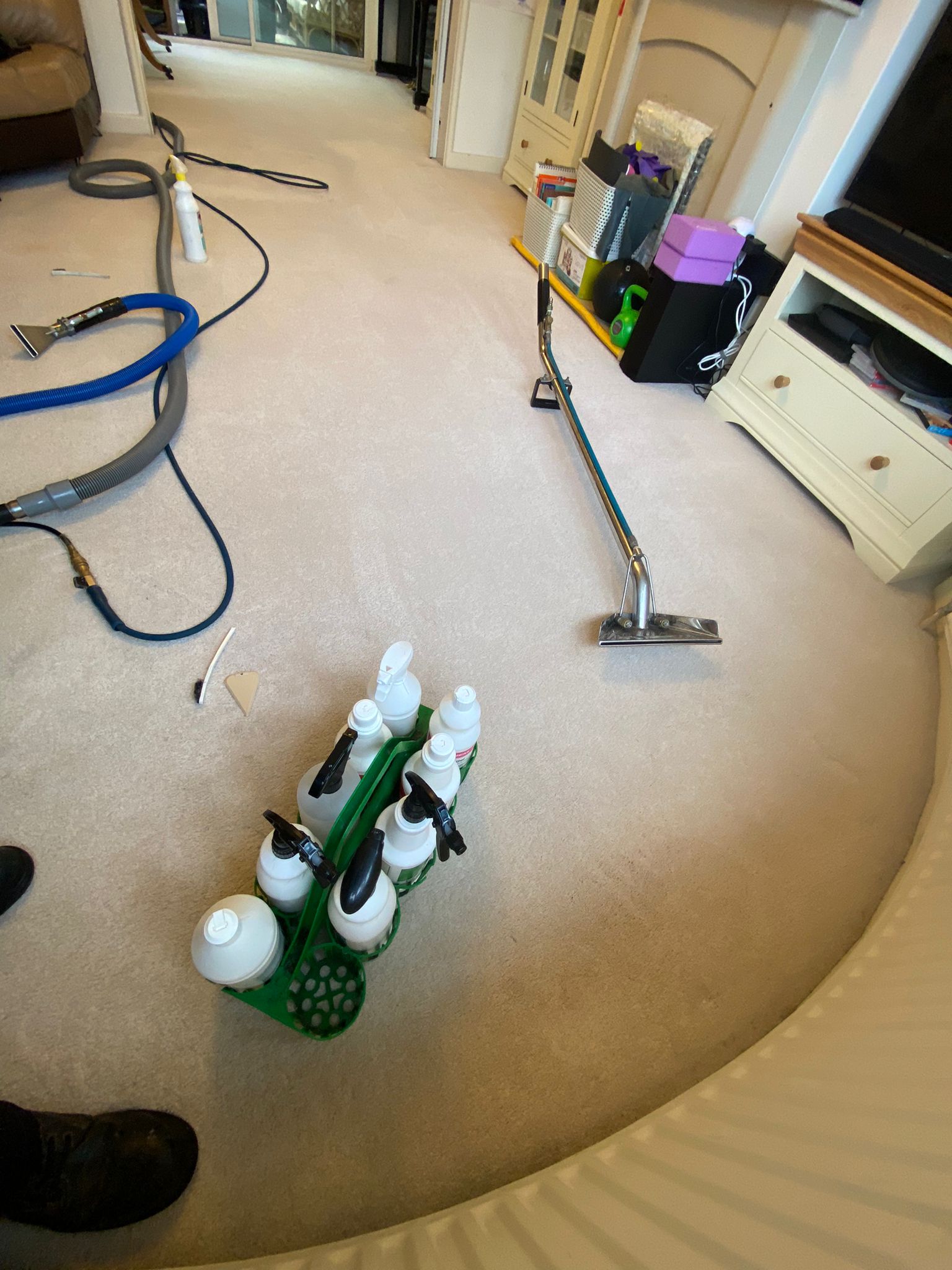
Here is how the team at Paul Dyson Carpet Cleaners restores water-affected carpets from the subfloor up:
1. Initial assessment
First, we assess the area of damage and check the condition of the underlay. This means that we can target wet spots that will breed mould and determine whether the carpet can be saved based on the condition of the subfloor stability.
2. Extraction
After this, we use industrial-grade extraction equipment to pull deep-set water out of carpet fibres and underlay. This removes around 90% of water much faster than evaporation which shortens the total drying time. Structural components will also spend less time soaked in water, allowing them to remain intact.
3. Sanitisation and deodorising
With antimicrobial treatments, we deeply clean the entire affected area. This kills bacteria and stops fungal spore germination. Additionally, the source of foul and musty odours is neutralised immediately.
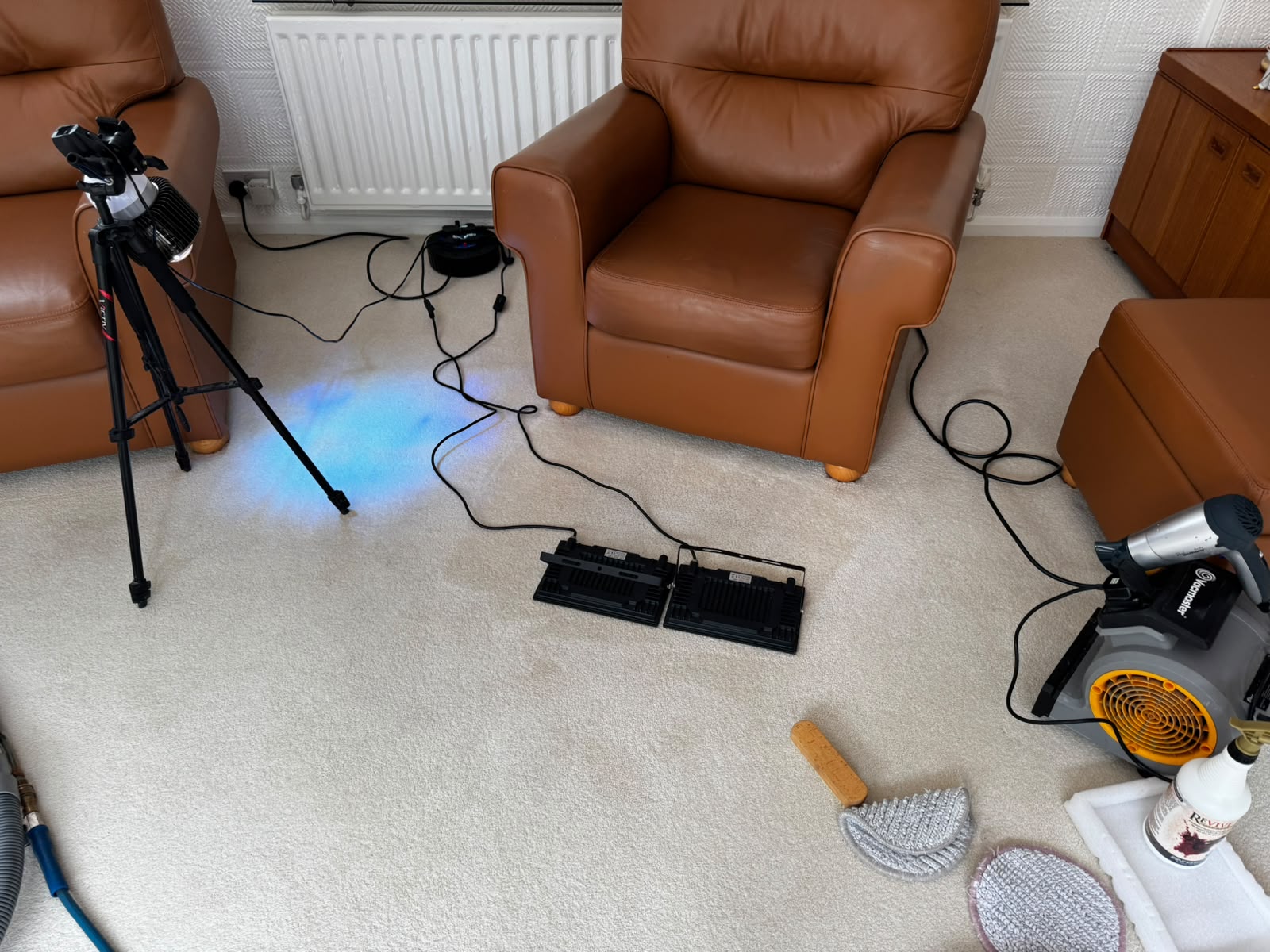
4. Final inspection
At the end of the service, we realign carpets with specialised tools and conduct a digital moisture level check. Verify complete dryness right down to the subfloor, guaranteeing that no hidden moisture remains. This final grooming restores the elasticity of fibre elasticity and aesthetics.
How Paul Dyson Floorcare Specialists can help
When wet autumn and winter come round, water damage to your carpets becomes almost inevitable. Letting a carpet dry on its own or relying on household cleaning methods leads to hidden mould lingering musty smells, and expensive carpet replacement that could be easily avoided.
By calling in a professional as soon as possible, you can protect both your carpet and the air quality of your home at the time of the year when your windows are mostly closed. Our team at Paul Dyson has over 30 years of water extraction, carpet sanitisation, and specialised drying to stop water damage in its tracks and restore your flooring to its prior state.
Rather than fork out for a replacement when Christmas is looming, rely on our expert team to stop the damage that autumn rain and winter slush can do in the first place.
Share this article: